
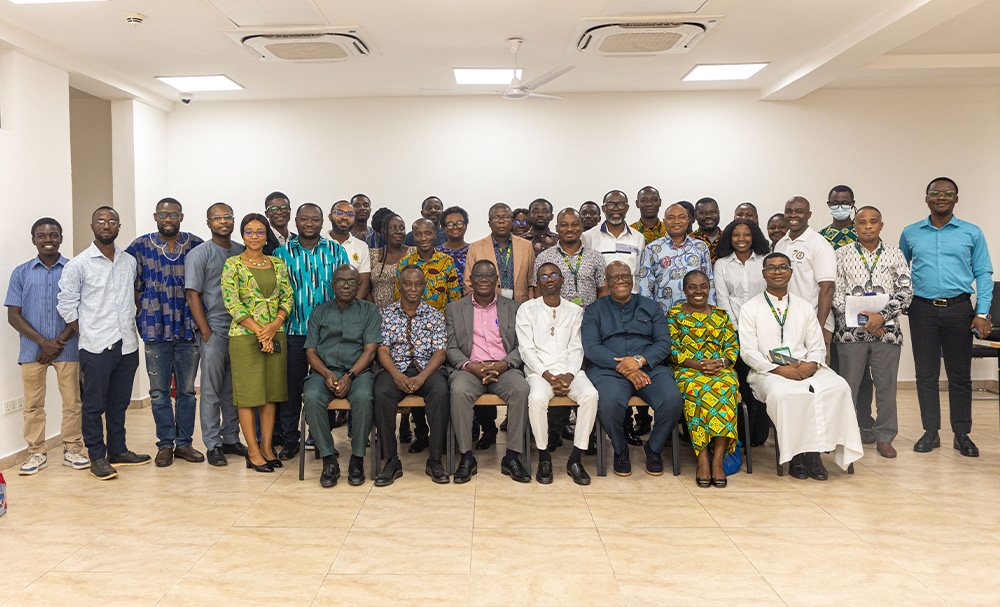
The Faculty of Social Sciences at the Kwame Nkrumah University of Science and Technology, Kumasi (KNUST), through its Committee on Research and Grantsmanship, has organized a grant-writing workshop to equip lecturers with the knowledge and practical skills needed to develop competitive research proposals and attract external funding.
The workshop brought together faculty members and grant experts to enhance participants’ understanding of funding opportunities, proposal development, budgeting and project design, with the overarching goal of improving the faculty’s success in securing national and international research grants.
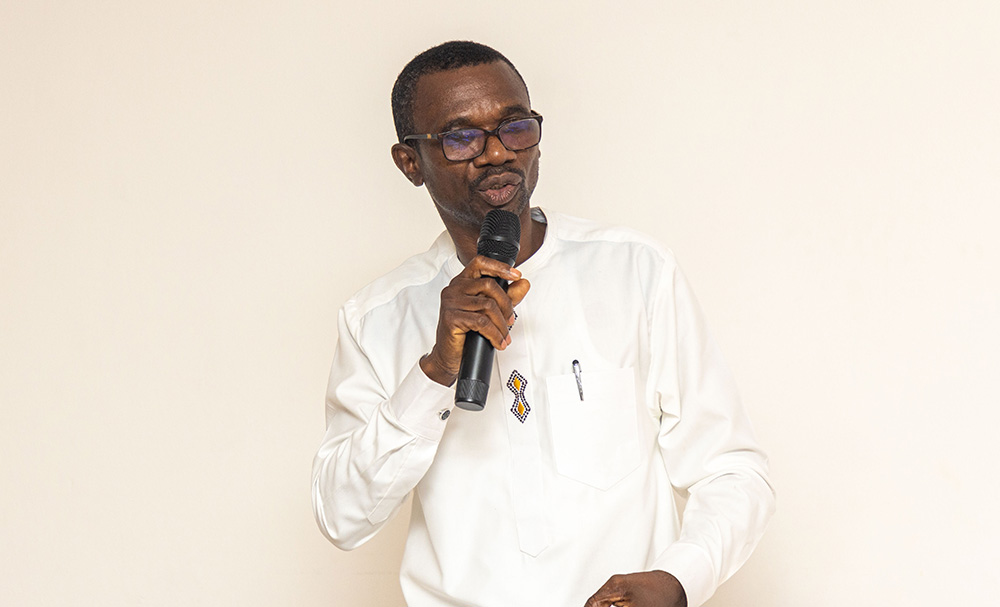
Delivering the welcome address, Professor Kabila Abass, Dean of the Faculty of Social Sciences, described research funding as a vital driver of innovation, institutional growth and international collaboration. While commending the faculty for its high-quality scholarship, he stressed the need to convert more research ideas into funded projects.
“Our research addresses issues of national and global importance. However, we must also acknowledge that the strength of our scholarship is not yet fully reflected in our grant portfolio. This workshop is both timely and necessary as we continue to strengthen the grant-writing capacity of our staff,” he said.
He expressed optimism that the workshop would strengthen proposal-writing, budgeting and project design skills while improving the faculty’s overall grant success rate.
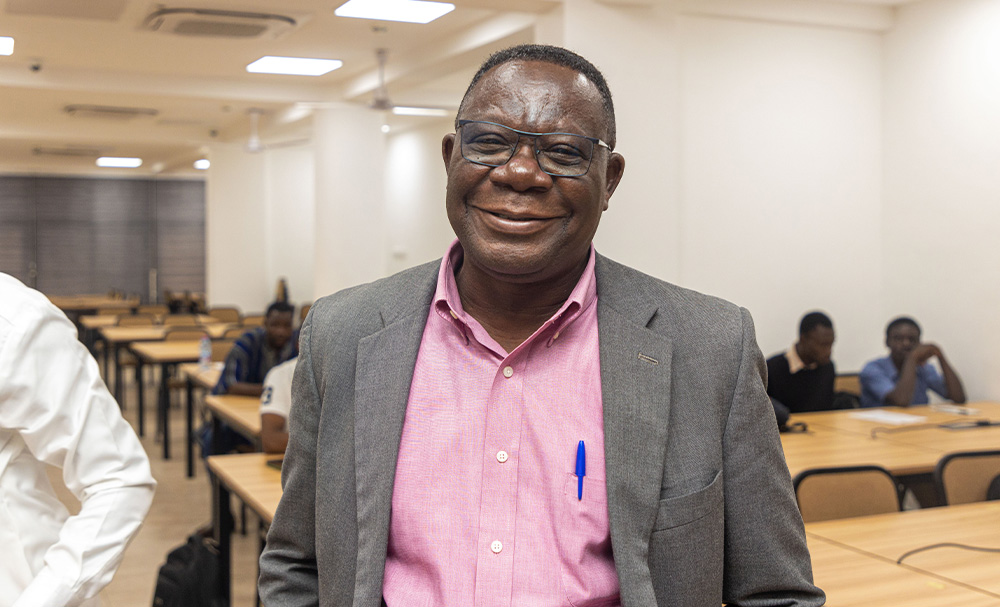
Professor Kwadwo Ofori-Dua, Chairman of Research and Grants Committee at the Faculty of Social Sciences, mentioned that the workshop was designed to build lecturers confidence and competitiveness in the global grants landscape.
“Our goal is to create a platform where members are equipped with the strategies and confidence to compete successfully for grants throughout the world. We encourage participants to ask questions, share ideas and build collaborations that will strengthen the faculty’s research profile,” he noted.
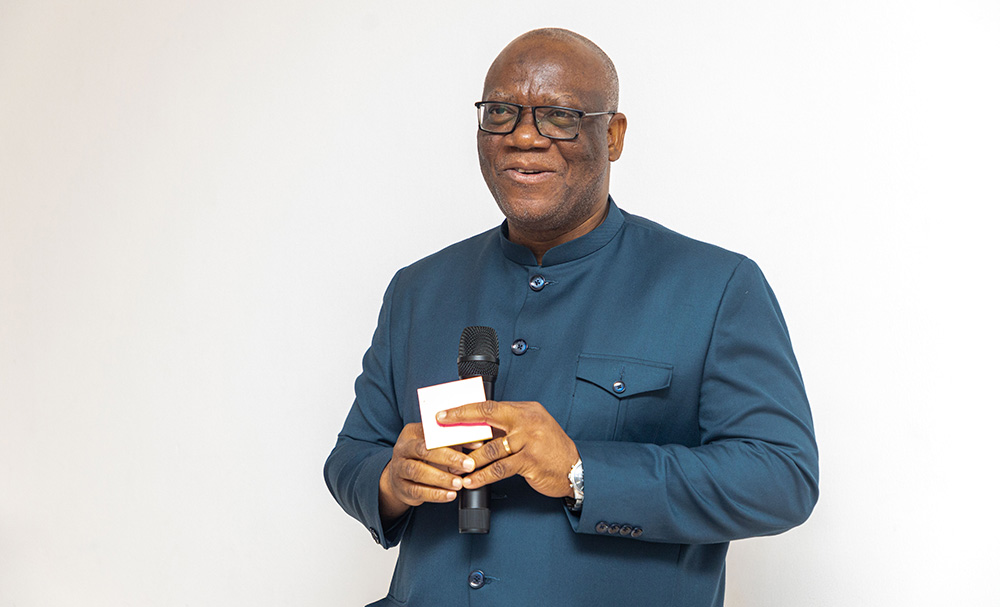
Director of the Office of Grants and Research, Professor Jerry John Kponyo, challenged participants to move beyond training by actively pursuing funding opportunities. He urged researchers to align their proposals with pressing global priorities such as climate change, health, artificial intelligence, food security, governance and social equity.
“Effective grant writing is about telling a compelling story. The story must address the issues funders are interested in. The more proposals we submit, the greater our chances of securing grants and building the University’s global research reputation,” he said.
Professor Kponyo further assured participants of the Office of Grants and Research’s continued support in identifying funding opportunities and providing technical assistance throughout the proposal development process.
Professor Gift Dumedah, presented an overview of proposal writing, encouraging participants to focus on writing proposals that do not only meet submission requirements but also secure funding. He stressed that growing global challenges continue to create funding opportunities, particularly within the social sciences.
“Grant writing is not just about submitting proposals; it is about winning. We must write for the people who assess our proposals, understand what funders are looking for, and build compelling arguments that clearly answer questions,” he said.
Professor Dumedah further explained that successful proposals begin with clearly defined research problems, align closely with funders’ priorities, and present evidence-based, persuasive cases supported by sound methodology.
Presenting on hands-on techniques for proposal writing, Professor George Meyeri Bob-Milliar drew on his personal journey from multiple unsuccessful applications to securing several international grants. He encouraged participants to embrace persistence, collaboration, and continuous learning.
“A rejection is not the end of the journey. Every unsuccessful application provides lessons that strengthen the next proposal. Success comes through persistence, strong collaborations, and carefully aligning your ideas with funders’ priorities,” he noted.
He also urged researchers to build multidisciplinary and international research networks, seek constructive feedback from trusted colleagues, and position themselves as principal investigators capable of leading impactful research.
Speaking on writing methods for grant proposals, Professor Divine Kwaku Ahadzie, highlighted the importance of tailoring every proposal to the specific requirements of funding agencies. He emphasized effective project planning, adherence to submission guidelines, and maintaining strong communication with research partners throughout the proposal development process.
“Every funding call is unique. Read the guidelines carefully, follow the required format, respect deadlines, and ensure your proposal clearly demonstrates collaboration, capacity building, impact, and value for money,” he advised.
The workshop featured an interactive question-and-answer session, giving participants the opportunity to seek clarification and engage facilitators on key aspects of grant writing.
Story: Ama Pokuaa Mensah


